Featured

About What to Watch For When Evaluating Forgiveness Help
Table of Contents
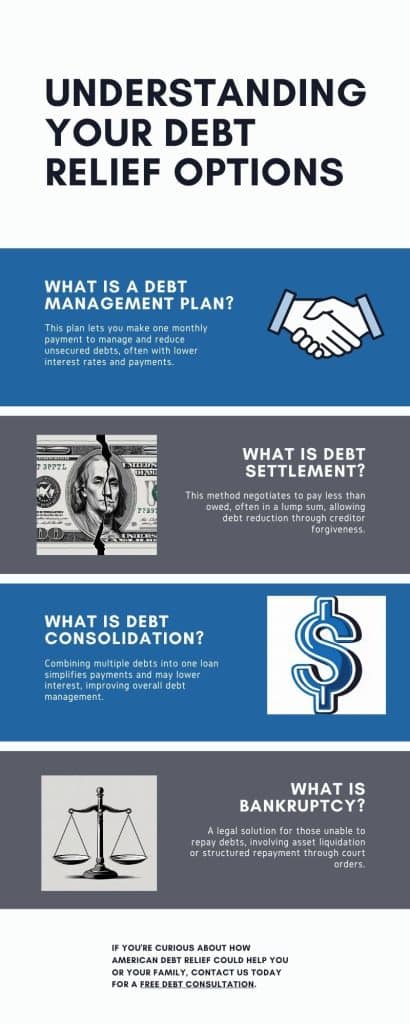
That frees up cash in the short term, and you might have three to four years to conserve towards the negotiation amount. Really damaging to credit rating, largely as a result of missed payments and an adverse "worked out" mark that might stay on your credit scores record for approximately 7 yearsMay be only alternative if other alternatives (financial obligation combination, equilibrium transfer credit report cards, financial obligation mercy) aren't possibleTypically calls for a fee to the 3rd party, which might counter some or every one of the cost savings from financial debt settlementMay help you prevent insolvency if you've missed out on numerous paymentsNot all creditors deal with debt negotiation business Debt forgiveness may be appropriate for you if you are experiencing an economic hardship that makes it almost difficult to pay for your financial debt equilibriums.

With a DMP, you make one month-to-month payment to the credit score therapy company. Those funds are then distributed to financial institutions of your unsafe financial obligations, such as credit report cards and installment finances. The agency collaborates with your creditors to minimize interest prices or waive fees, but some lenders might refuse such giving ins.
A financial obligation loan consolidation loan combines your qualified financial debts into one brand-new loan. It can assist you pay for debt if you're able to safeguard a lending price that's lower than the typical price of the accounts you're settling. Nevertheless, you have to refrain from acquiring financial obligation on those freshly removed accounts or your debt can expand even higher.
That offers you lots of time to get rid of or dramatically lower your equilibrium while making interest-free payments.
The Basic Principles Of The Truth About Debt Forgiveness and What You Need to Know
You may need it if your financial institution or a collection company ever before tries to accumulate on the financial debt in the future. When a lending institution forgives $600 or more, they are required to send you Kind 1099-C.
Financial debt mercy or negotiation often hurts your credit score. Anytime you work out a financial obligation for much less than you owe, it may show up as "cleared up" on your credit record and affect your credit report for 7 years from the day of negotiation. Your debt can additionally go down significantly in the months causing the mercy if you fall behind on settlements.
How Hesitating to Pursue Bankruptcy Counseling Will Cost You Fundamentals Explained
Tax financial debt concession programs Tax financial debt happens when the quantity of taxes you owe surpasses what you have paid. This circumstance frequently arises from underreporting income, not filing returns promptly, or inconsistencies discovered throughout an internal revenue service audit. The consequences of building up tax financial obligation are severe and can consist of tax liens, which give the IRS a lawful case to your property as safety for the financial obligation.
Salaries and Financial institution Accounts Internal revenue service can impose (seize) incomes and financial institution accounts to please the financial debt. Building Seizure In severe instances, the IRS can take and offer residential or commercial property to cover the financial obligation.
Social Preconception Facing lawful activity from the Internal revenue service can bring social stigma. Employment Opportunities A poor debt score due to strain debt can limit employment chances. Government Advantages Tax financial obligation may influence qualification for government benefits, such as Social Protection and Medicaid.
How Your Introduction to The 12 Most Common Myths About Debt Relief—Busted by Real Counselors : APFSC with APFSC can Save You Time, Stress, and Money.
The OIC takes into consideration several elements, including the taxpayer's earnings, costs, property equity, and ability to pay. Effectively discussing an OIC can be complex, calling for a complete understanding of the IRS's standards and a strong argument for why your offer aligns with your capacity to pay. It is necessary to keep in mind that not all applications are accepted, and the procedure requires detailed economic disclosure.
The IRS analyzes your total economic situation, including your revenue, costs, possession equity, and ability to pay. You should additionally be current with all declaring and repayment needs and not be in an open bankruptcy case. The IRS also considers your conformity background, evaluating whether you have a document of timely filing and paying tax obligations in previous years.
The 4-Minute Rule for Economic Uncertainty That Affect How More Families Need for The 12 Most Common Myths About Debt Relief—Busted by Real Counselors : APFSC
The application procedure for an Offer in Concession entails several detailed steps. You need to complete and submit Internal revenue service Type 656, the Deal in Concession application, and Type 433-A (OIC), a collection details statement for people. These types need extensive economic information, including details concerning your earnings, financial obligations, expenses, and assets.
Back taxes, which are unsettled tax obligations from previous years, can substantially increase your complete internal revenue service financial obligation if not addressed without delay. This debt can accrue rate of interest and late repayment fines, making the initial quantity owed much bigger over time. Failure to repay taxes can cause the IRS taking enforcement activities, such as releasing a tax obligation lien or levy versus your residential or commercial property.
It is essential to attend to back tax obligations asap, either by paying the total owed or by setting up a payment strategy with the internal revenue service. By taking proactive steps, you can stay clear of the accumulation of extra rate of interest and charges, and stop a lot more hostile collection activities by the internal revenue service.
One usual factor is the belief that the taxpayer can pay the total either as a swelling sum or with a layaway plan. The internal revenue service also thinks about the taxpayer's income, expenditures, asset equity, and future earning possibility. If these factors show that the taxpayer can manage to pay greater than the provided quantity, the IRS is likely to deny the deal.
How to Never Repeat New Debt Problems After Your Fresh Start Can Be Fun For Anyone
It is vital to offer accurate and complete details in your application and to talk to a tax obligation professional to boost the chances of acceptance. Managing internal revenue service financial debt can be intricate and challenging. Tax obligation experts, such as Certified public accountants, tax attorneys, or signed up representatives, can provide very useful help. They have the experience to navigate the ins and outs of tax obligation legislation and internal revenue service treatments.

Table of Contents
Latest Posts
Excitement About Important Things to Ask Before Signing Up

10 Simple Techniques For Prevalent Misunderstandings Regarding Bankruptcy

The Main Principles Of Monetary Consequences the Investment of Debt Forgiveness Programs
More
Latest Posts
Excitement About Important Things to Ask Before Signing Up
10 Simple Techniques For Prevalent Misunderstandings Regarding Bankruptcy
The Main Principles Of Monetary Consequences the Investment of Debt Forgiveness Programs